
"My material is 3 mm thick. Can your machine cut it?" It is one of the first questions buyers ask when they look for an automatic cutting machine.
The honest answer is: it depends on what is 3 mm thick. Three millimetres of foam, nylon webbing, leather and metal are different cutting jobs. This is a comparison, not a claim that the machines below can cut 3 mm of each material. HESPER's thickness guidance is: For all machine models covered in this article, material up to and including 10 mm thick can be cut; material over 10 mm and up to 20 mm thick requires a custom blade. For example, 10.5 mm requires a custom blade. Confirm suitability for the actual material, width, selected machine and required edge finish through a sample trial.
This guide explains, in plain words, why thickness must be read together with material type, how to measure it correctly, and which cut-to-length machine to start with.
Why thickness alone does not answer the question
The roll cutting machine setups discussed here must both feed material to the set length and cut it. Depending on the model, rollers or caterpillar belts provide the feed. Thickness affects both jobs, but in different ways for different materials:
- Soft foam can compress during feeding and cutting. Excessive pressure or an unsuitable blade may deform the edge. When evaluating a foam cutting machine, check feeding stability, compression, recovery and the finished edge together.
- Dense woven webbing needs a process matched to its fibre composition, weave, width and thickness. Not all strapping is woven; identify the actual construction before choosing a blade or cutting method.
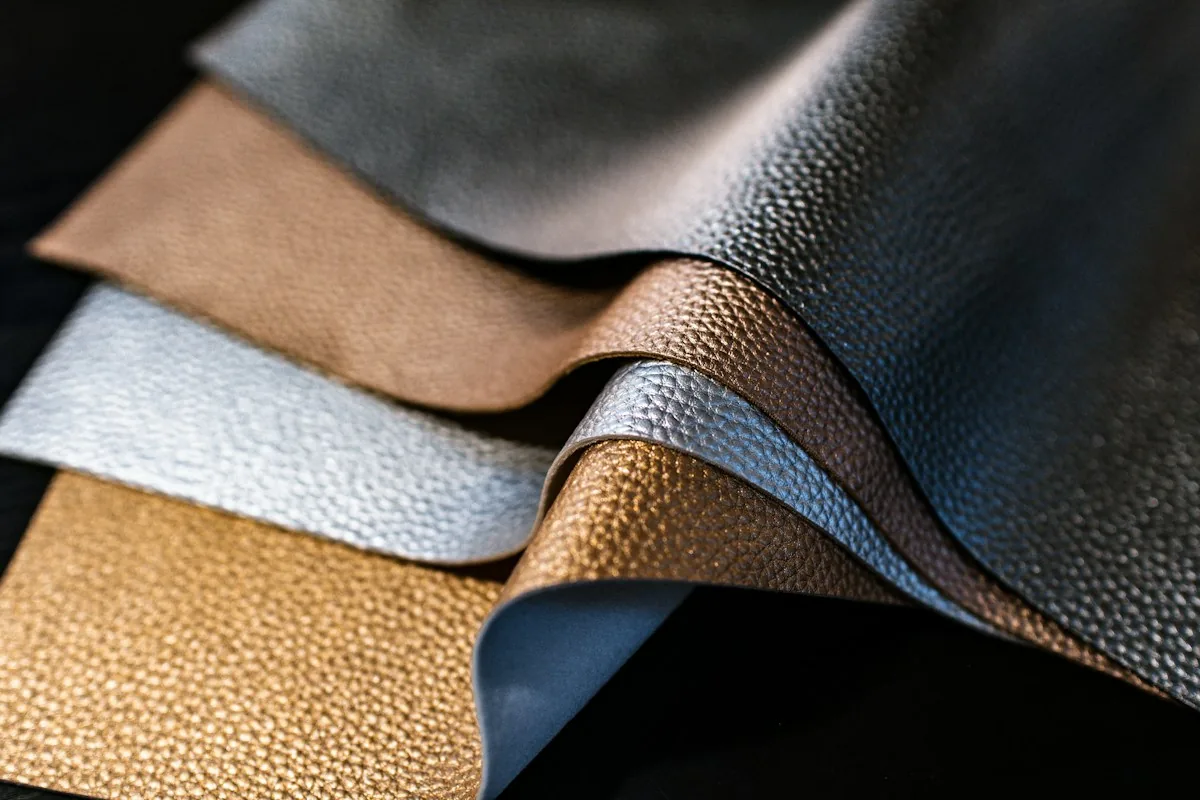
- Leather and PU synthetic-leather strips vary in firmness, stretch, coatings and backing. Do not assume that they feed or respond to heat in the same way. Evaluate a leather strip cutter using the actual strip, including its surface and backing layers.
- Thin metal sheet requires checks of thickness, grade, hardness or temper, feed width and finished dimensions. For wire mesh, also supply wire diameter and aperture. Thickness remains important; hardness does not replace it.
So "3 mm" is a starting point. Material composition, construction and finished-part requirements are also needed.
How to measure your material thickness correctly
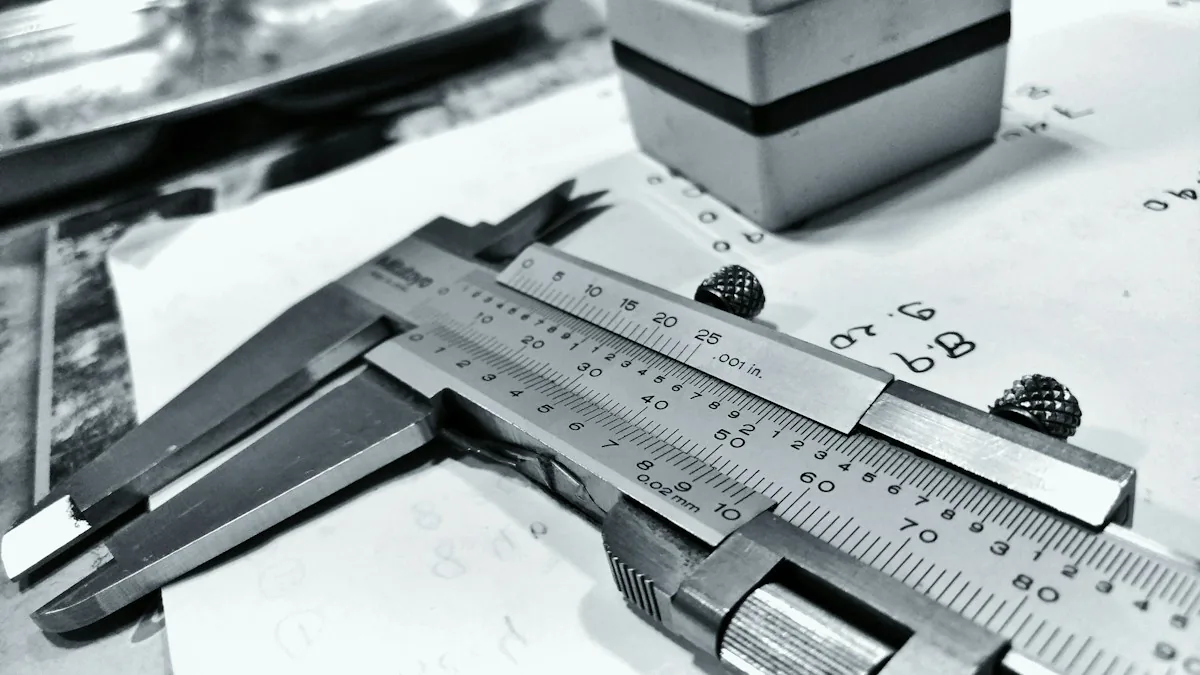
Choose a measuring tool and method suited to the material. A caliper or micrometer can help with firm material. For compressible textiles and foam, contact pressure affects the reading: record the method and use the material-specific agreed test procedure for acceptance measurements. For an initial enquiry:
- Include local high points. Measure raised patterns, seams and overlaps that will pass through the feed path or cutting line. Their thickness can affect clearance and cutting load; it alone does not establish cutting capability.
- Identify compressible material. Avoid visibly squeezing it during an initial estimate. Report the tool, contact conditions and whether it recovers after release. A light-touch caliper estimate is not a substitute for an agreed thickness test.
- Describe the layer structure. Give total thickness and available layer data for coatings, adhesive and liner. State whether the job is full cutting or kiss cutting. Bonded layers are different from loose stacked sheets; a stack needs separate assessment of feeding, slip and cut quality.
- For tubes, provide outside diameter and wall thickness. Include tube composition, finished length and whether it flattens during feeding. Assess these details with the actual tube sample.
- Measure several places. Thickness can vary across a roll. Note the thinnest and thickest readings.
Material by material: which cut to length machine to start with
The table below links each material group to the HESPER machine pages that list it. The last column summarizes the relevant specifications and confirmation conditions. It is a starting point, not a promise that every thickness will work.
| Material | What thickness changes | Machine to look at first | What the product page says |
|---|---|---|---|
| Webbing, nylon tape, elastic bands | Denser weaves need the right blade and a choice of hot or cold cutting | CXY-160W hot & cold cut-to-length machine | Hot-cutting width 1–160 mm; confirm suitability for material, width, thickness, finished length and edge finish |
| Hook-and-loop tape, leather strips, cotton and hemp tape | Firm or bulky strips need the right cutting mode and guide setup | Hot & cold tape cutting machine | Confirm the cutting mode and guide setup using the sample, strip width, thickness and required edge finish |
| EVA foam, EPE foam, film, nonwoven | Soft foam can compress during feeding and cutting | Film & nonwoven cut-to-length machine | Polyurethane feed roller with adjustable pressure; confirm suitability for thickness, width, length and edge finish |
| Silicone, PVC and heat-shrink tubing | Wall thickness, diameter and flexibility affect feeding and cutting | Tube cut-to-length machine | Share tube material, outside diameter, wall thickness and finished length |
| Thin metal sheet, copper sheet, wire mesh | Thickness, grade, hardness and feed width must be considered together | Thin sheet metal cut-to-length machine | Material thickness, hardness and finished dimensions guide machine selection |
Need to cross-cut roll material into sheets? For film, EVA foam or PU synthetic leather on a roll, the HZX roll-to-sheet cutting machine is another sheet cutting machine to compare. Its page also asks you to confirm suitability for the actual material thickness. For leather strips that also need holes, look at the cutting and hole punching machine, which lists leather strips. Confirm composition, thickness and punching tooling with a sample and hole-position drawing.
Working with very thin material instead? Our guide to web tension control for thin material covers the opposite problem: stretching and tearing.

What changes on the machine when material gets thicker
When a material is thick, firm or bulky, these parts of the setup are reviewed:
- The blade. Product pages state that blade or tooling selection depends on the material, thickness, dimensions and machine model. For all machine models covered in this article, material up to and including 10 mm thick can be cut; material over 10 mm and up to 20 mm thick requires a custom blade. Match the custom blade or tooling to the material, cut shape and machine. A different blade does not remove limits in the feed path or cutting mechanism.
- The cutting method. Hot cutting can cut and seal suitable thermoplastic webbing, such as some polyester and nylon constructions. Blends, coatings, thickness and settings affect the result. Assess cold cutting when heat is unsuitable, then confirm the edge on a sample.
- Feed roller pressure. The film/nonwoven and HZX product pages list roller-pressure adjustment. It helps tune the grip, but does not guarantee that soft material will avoid compression, slip or marks. Confirm the feed arrangement for the selected model.
- Working speed. Read whether the specification is feed speed, cutting-cycle rate or a stated maximum. These are not interchangeable with accepted pieces per minute. Measure actual output at the required material, length and quality during the trial.

Send a sample with these details
To check whether an automatic cutting machine can cut your material, send:
- A real sample from production, not the easiest offcut
- Material name and composition (for example: nylon webbing, EVA foam, PU leather)
- Minimum and maximum thickness, local high points, measurement method and compressibility
- Width, or outside diameter and wall thickness for tubes
- Finished length and acceptable tolerance
- Edge requirement: sealed, soft, square or shaped
- Daily quantity
Ask for cut samples and a short processing video. Check several pieces for uncut fibres or layers, edge deformation, burrs, surface marks and length variation. For soft or stretchy material, agree when and how to measure after it relaxes. Review the required shape and any holes as part of the same trial. For a full sample checklist, see Can an Automatic Cutting Machine Cut My Material?
Frequently asked questions
What is the maximum thickness an automatic cutting machine can cut?
For all machine models covered in this article, material up to and including 10 mm thick can be cut; material over 10 mm and up to 20 mm thick requires a custom blade. This includes 10.5 mm in the custom-blade range. Confirm the actual material, width, finished length and selected machine with a sample trial.
Can one machine cut both thin and thick material?
Sometimes, but not automatically. Blade or tooling selection depends on the material, thickness, dimensions and machine model. Custom tooling can be assessed, but the feed path and cutting mechanism also have limits. Confirm each material and thickness with the appropriate configuration and a sample trial.
How should I measure the thickness of foam or soft material?
Contact pressure affects the result. For an initial estimate, avoid visibly compressing the material and report the tool and method. For acceptance measurements, agree a material-specific thickness method. Measurement contact conditions and machine feed pressure are not equivalent.
How to cut thick foam without crushing the edge?
Provide foam composition, thickness, width and any available density or firmness data. Test suitable feeding support, pressure and tooling together. Adjustable pressure alone is not a guarantee: inspect compression, recovery, edge deformation and length variation on several cut pieces.
Does thicker material cut more slowly?
It can. Product pages state that the working rate depends on the material, so the real output for a thick material is confirmed during the sample trial, not inferred from a nominal speed or maximum cycle rating.
Not sure if your material is too thick? Send HESPER a sample and its measurements. We will suggest the cutting method, blade and cut-to-length machine to test, and arrange a sample trial. Send an enquiry or email sales@hespermachine.com.