
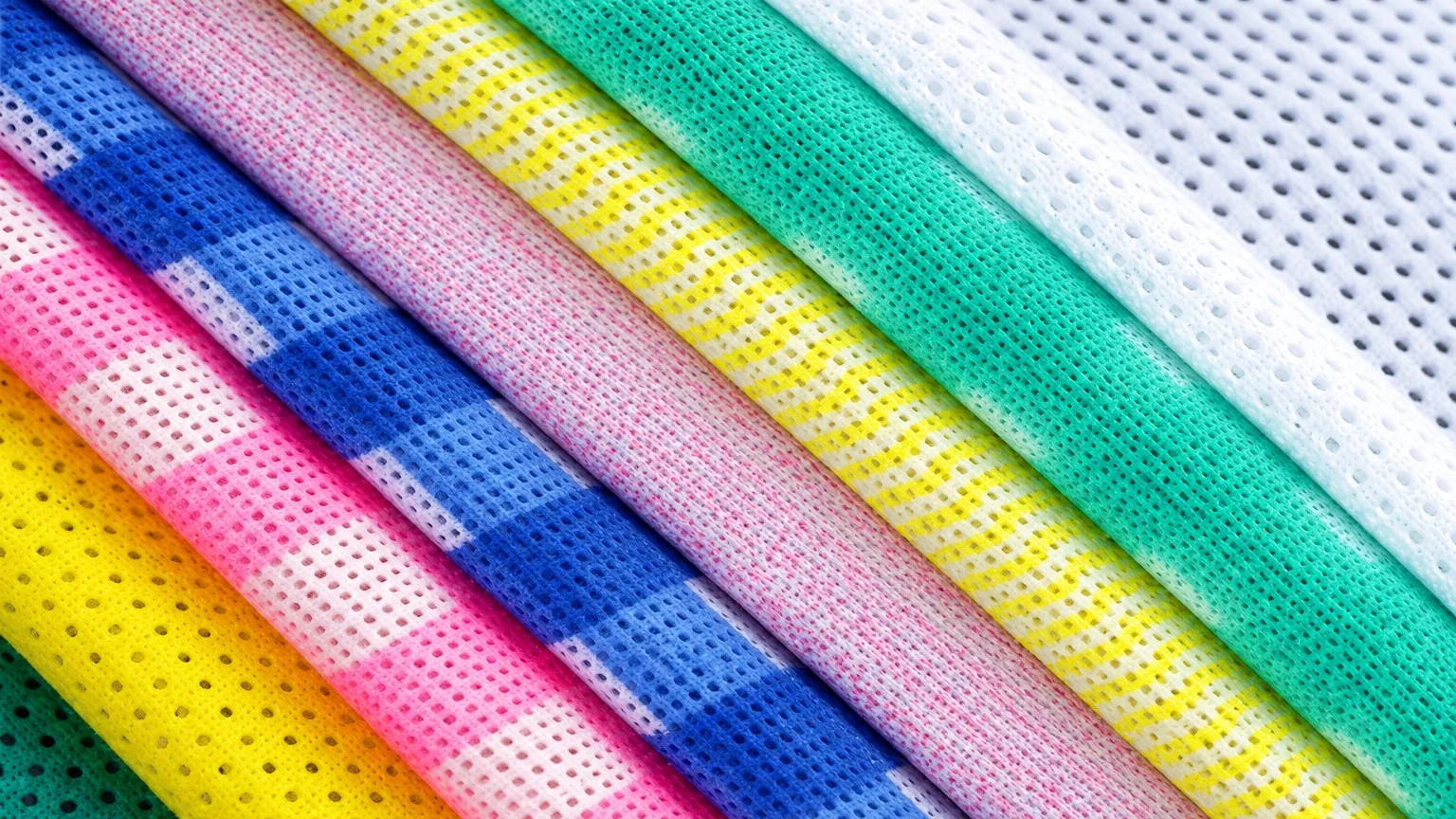
A blade cutting one sample is encouraging. It does not prove that a machine can turn your full roll into acceptable parts all day. For overseas buyers, the useful question is: can this material be fed, positioned, cut and collected consistently, with the finish our next process needs?
Whether you handle fabric, webbing, adhesive tape, film, foam or flexible tubing, these six checks help you turn “Can you cut it?” into a requirement a machinery supplier can test. Compatibility depends on the actual material and configuration, not just the name of a machine.
1. Describe the Finished Part First
Start with what you need to receive. Is it a rectangular sheet, a fixed-length strap, a tube segment or an adhesive part that stays on its release liner? These outputs require different cutting arrangements.
For example, cutting adhesive tape completely through produces separate pieces. Kiss cutting leaves the liner intact so the adhesive pieces can be peeled off later. Similarly, webbing cut to length may also need sealed ends, angled cuts or punched holes. State those requirements before comparing quotations.
2. Identify the Material and Every Layer
“Fabric” and “plastic” are starting points, not sufficient specifications. Give the supplier the composition, width, thickness range and construction. Include coatings, adhesive layers, protective films and backing materials. For tubing, provide both outside diameter and wall thickness.
Nylon, polyester and cotton do not respond identically to heat. Hot or ultrasonic cutting may suit some thermoplastic textiles, but the result still requires testing. Do not assume that cotton will heat-seal, or that a coated webbing will behave like an uncoated sample.
If you do not know the composition, send clear photographs, a supplier datasheet and representative samples. Identify uncertainty openly rather than guessing a material grade.
3. Check Feeding Before Cutting Speed
A material can be easy to cut and difficult to feed. Stretchy fabric may change length after tension is released. Thin film may wrinkle or scratch. Soft foam can compress under feed rollers, while exposed adhesive can contaminate contact surfaces.
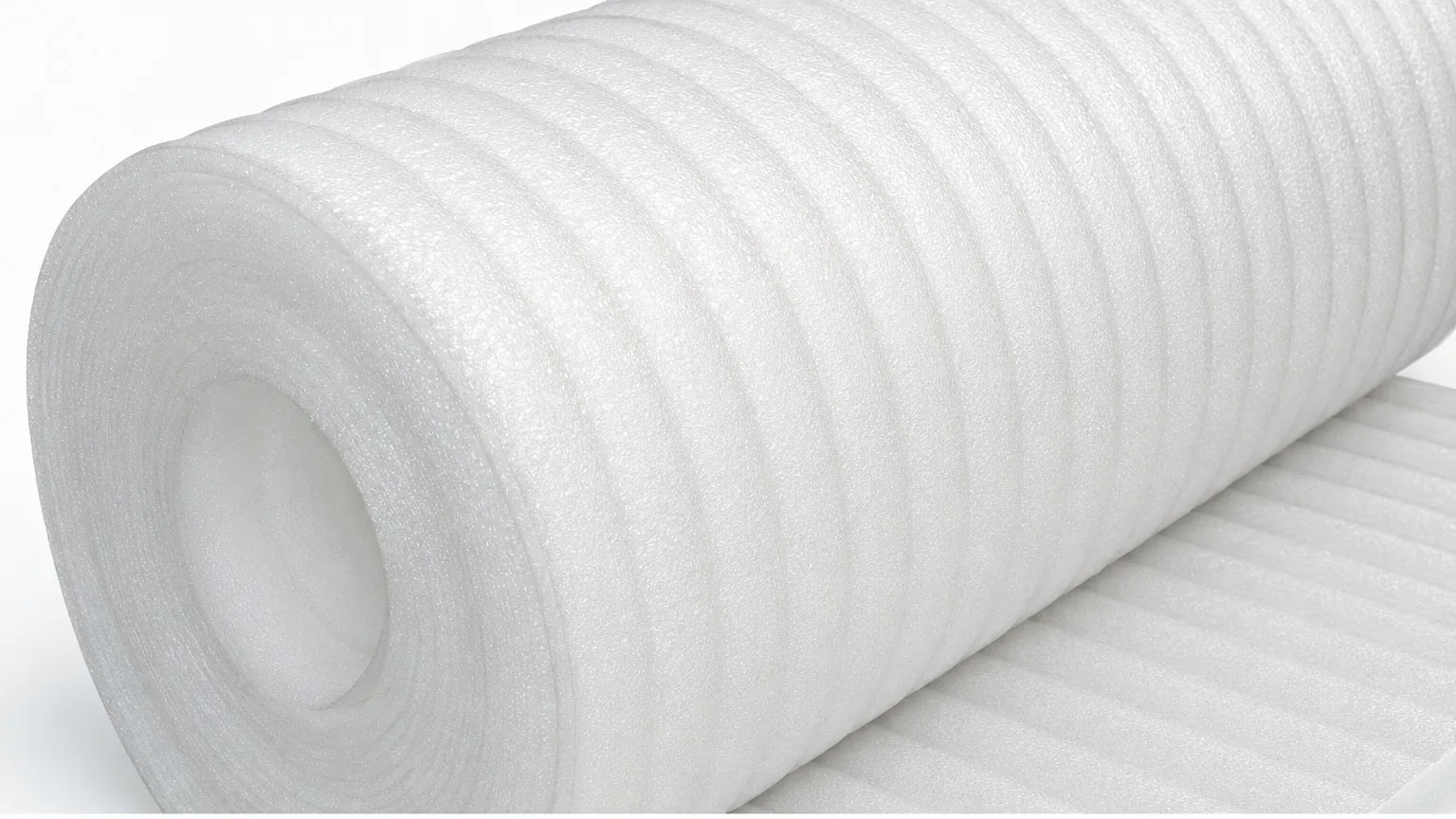
Ask to see the complete route: unwinding, guiding, feeding, cutting and collection. With flexible tubing, check whether gripping leaves the opening flattened. With elastic material, compare dimensions after an agreed relaxation period. A short video of the blade alone cannot establish stable production.
4. Match the Process to the Required Shape
Consider an illustrative order using an 800 mm wide roll. If you need full-width sheets 300 mm long, cross-cutting may be the appropriate starting process. If you need pieces 100 mm wide and 300 mm long, you also need a way to divide the width. That may involve slitting followed by cross-cutting.
These dimensions describe a hypothetical job, not a HESPER machine specification. Confirm usable width and tooling against the proposed configuration. Printed materials may also require registration control; holes and shaped ends need additional operations. Review HESPER’s cutting equipment range to discuss the relevant process, then verify the exact configuration for your samples.
Also specify how parts leave the machine. Lightweight film can cling together, while narrow strips may need orderly collection. If an operator must separate or straighten every piece, that handling belongs in the production assessment. Include the next workstation when deciding what a successful cutting trial should demonstrate.
5. Define an Acceptable Cut
“Clean edge” means different things in different factories. A webbing end might need to resist fraying without becoming too hard to thread through a buckle. Film may need a scratch-free surface. Foam may need a square edge without lasting compression marks. Adhesive parts may need easy peeling without damage to the liner.
Give measurable limits and reference samples wherever possible. Keep programmed length, feeding performance and measured finished-part tolerance separate. A display setting does not establish the tolerance your material will achieve. Agree how, when and under what tension the part will be measured.
6. Run a Trial You Can Accept or Reject
Supply enough representative material to reveal behaviour beyond the first few cuts. Include relevant thickness variations or different production batches. Agree the trial length with the supplier and record the settings used.
- Material identity: confirm grade, layers, roll condition and dimensions match the intended order.
- Finished dimensions: measure length, width and squareness using an agreed method and tolerance.
- Edge and surface: inspect fraying, deformation, scratches, adhesive residue and liner integrity where relevant.
- Repeatability: compare pieces from the beginning, middle and end, including after a stop and restart.
- Downstream use: test stacking, peeling, sewing, threading or assembly with the actual cut pieces.
- Usable output: count accepted parts and record rejects, cleaning, adjustments and handling time.
Request retained samples and a continuous trial video. Your production decision should reflect accepted output, not only the fastest cutting sequence shown.
Frequently Asked Questions
Can one automatic cutting machine handle several materials?
Possibly, but each material and finished-part requirement needs review. Changes in tooling, feed pressure, guides or cutting method may be necessary. Ask which changes are included and test each important material.
Are very soft or thin materials unsuitable?
Not automatically. The challenge may be support and tension control rather than blade force. A sample trial helps establish whether the proposed feeding and collection arrangement is suitable.
Is automatic cutting worthwhile for small batches?
Compare your real labour, changeover, scrap and inspection costs. Frequent material changes can affect the result. Base the comparison on your batch mix and trial output rather than a headline speed.
Send a Material, Not Just a Machine Name
Use HESPER’s roll-material enquiry checklist to prepare the material details, finished dimensions, edge requirements and production target. Then send HESPER your cutting requirement with photos or a drawing. Request confirmation of the proposed process and sample-test criteria before selecting a machine.