
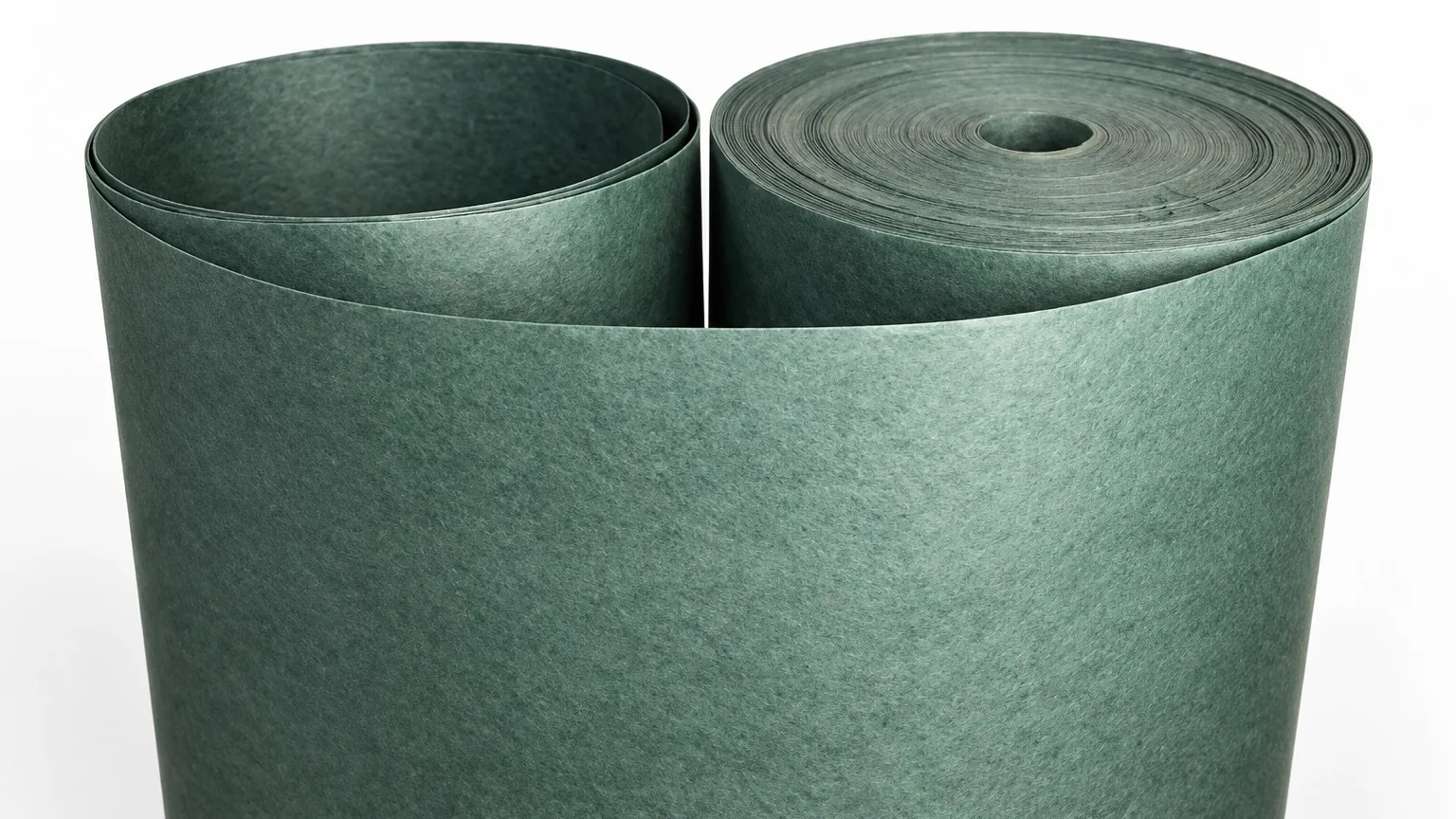
An electrical insulation paper sheet can meet its nominal length and still be unsuitable for assembly. Loose fibres may remain on the cut edge, dust may transfer to the work area, roller pressure may leave a mark, or the sheet may be out of square. A useful machine trial therefore checks the whole finished part, not only the number entered on the control panel.
This guide shows industrial buyers how to turn those concerns into a measurable roll-to-sheet cutting test. It does not assume that every insulation paper grade behaves alike or that one machine setting guarantees the same result for every roll.
1. Define the Finished Sheet Before the Machine
Begin with a drawing or inspection sheet. State the target length and width, measurement datum, permitted tolerance, squareness method and acceptable edge appearance. If dust, surface indentation or delamination matters to the next operation, describe how it will be inspected.
| Requirement | Record during the trial | Possible process area |
|---|---|---|
| Sheet length | Individual results in production order | Roll release, feeding, programmed length and measurement |
| Squareness | Diagonal comparison or agreed datum method | Incoming web alignment, guides and cut line |
| Cut edge | Loose fibres, tears, crushed zones or layer separation | Material support, blade condition and cutting setup |
| Surface condition | Roller marks, scratches, contamination and dust | Feed contact, guides, handling and collection |
A photograph labelled “good” and “reject” is often more useful than a vague request for a clean cut. If the sheet enters a slot, winding or lamination process, include the dimensions and edge conditions that affect that operation.
2. Record the Real Paper and Roll
“Insulation paper” is a material family, not a complete cutting specification. Provide the commercial grade or construction stated by the paper supplier, thickness, width, surface finish, stiffness, layer structure and winding direction. Record the roll outside diameter, core inside diameter, roll weight and splice locations.
Do not substitute ordinary paper for a production trial. Different fibre structures, coatings and laminations can change friction, dust generation, edge response and roller marking. Send a representative roll and identify which face must remain cosmetic or clean.
3. Follow the Roll-to-Sheet Process
Trace the material through roll support, release, lateral guidance, feed rollers, cross-cutting and collection. The roll should turn without sudden resistance. Guides should control side movement without scraping the edges. Roller pressure must be sufficient for stable feeding but should not create an unacceptable impression or damage a layered paper.
At the cutting point, examine whether edge damage repeats at the same position. At discharge, prevent finished sheets from dragging across a dirty surface or being bent by an unsuitable stack. A defect added during collection should not be blamed on the programmed feed.
4. Run a Trial That Locates Variation
Use one documented setup and preserve sample order. A practical sequence is:
- Inspect the incoming roll for edge damage, telescoping, splices and contamination.
- Record roll orientation, guide positions, roller pressure, feed speed and programmed length.
- Collect consecutive sheets near the beginning, middle and later portion of the roll.
- Measure length and squareness with the same tools, datum and conditioning method.
- Inspect both faces, both cut edges and the collection condition under consistent lighting.
- Repeat after a normal roll or size change to evaluate setup repeatability.
Report individual measurements, not only the average. A stable offset, gradual drift and occasional outlier require different investigations. If pressure, speed or guidance changes, record the exact sample where the change occurred.
5. Match the Test to HESPER’s Documented Configuration
The HESPER Insulating & Release Paper Cut-to-Length Machine is documented for automatic feeding and cross-cutting of insulating paper, release paper, fish paper and self-adhesive labels. Its Chinese/English LCD and keypad provide settings for cut length, feed speed, batch quantity and total quantity.
The published configuration includes a polyurethane feed roller with pressure adjustment at both ends, adjustable material guides, a separate floor-standing bearing roll holder and a vacuum heat-treated SKD11 steel blade. These are relevant setup points for the trial; they are not a substitute for testing the actual paper. HESPER lists models by cutting width, while material suitability and finished-sheet acceptance still require confirmation.
Before selecting a model, use the unwind-roll specification guide to document web width, roll diameter, core, weight and winding direction. A width value alone cannot define whether a roll will release and feed correctly.
6. Separate Standard Cross-Cutting From Extra Requirements
The documented paper machine performs automatic feeding and cut-to-length cross-cutting. If the project also needs longitudinal slitting, punched profiles, registration to printed marks, special collection or connection to another process, state that separately. Do not assume those functions are standard because they appear in another machine category.
For multiple narrow strips, HESPER documents guide-based arrangement according to strip width and setup. The proposed number of strips still needs review with the real material and required spacing. Describe every additional function by its finished-part result and provide a drawing or accepted sample.
Frequently Asked Questions
Can one pressure setting work for every insulation paper?
No universal setting should be assumed. Thickness, stiffness, surface and layer structure affect feeding and marking. Establish a setting during a representative material trial.
Does programmed length prove finished-sheet accuracy?
No. The finished result also depends on roll release, feed contact, alignment and the measurement method. Approve consecutive measured samples.
How should paper dust be evaluated?
Define the inspection area, lighting, cleaning condition and acceptable example before the test. Compare sheets and the collection area under the same method.
What belongs in the RFQ?
Include the paper identification, thickness, roll dimensions and weight, target sheet drawing, tolerance, edge and surface criteria, batch size, desired output and representative sample availability.
Send HESPER a Measurable Paper-Cutting Requirement
Use the HESPER project enquiry to send your roll data, sheet drawing, defect photographs and acceptance method. HESPER can then review the paper, cutting width, feed setup and trial plan before the machine configuration is confirmed.