
“Does this machine only cut one type of material?” is a useful question when comparing cutting equipment for your workshop.
Not necessarily. An automatic cutting machine may process several materials, provided they fit its cutting method, feeding system and working range. However, seeing one material cut successfully does not prove that every other material will work on the same machine.
The practical question is whether one machine can process your specific materials to the required dimensions and edge finish.
Why One Machine May Handle Different Materials
A machine’s product name often describes its main application. Its supported material range may be broader.
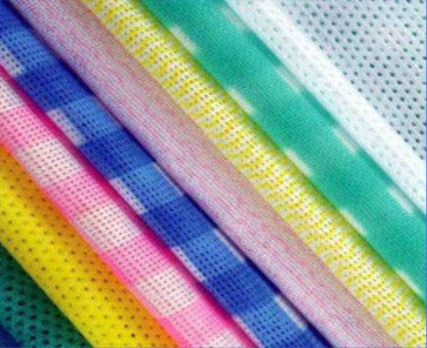
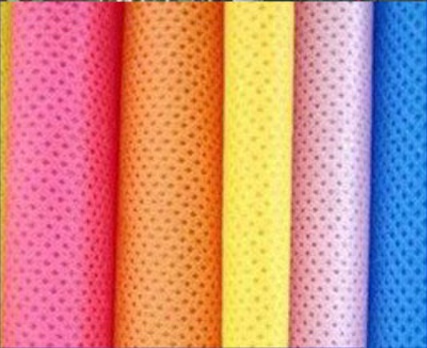
For example, HESPER’s fabric slitting and cross-cutting machine lists polyester fabric, nonwoven fabric, knitted fabric, leather and elastic bands among its applications. It combines roll feeding, longitudinal slitting and cutting to length. Suitability still needs to be confirmed against the actual material, thickness and finished dimensions. View the fabric cutting machine.
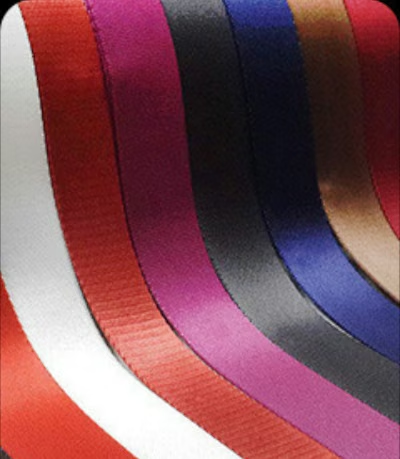
Similarly, a machine designed for cutting and punching webbing may also support elastic bands and bag handle cords. The material and punching tooling must be checked using samples and a hole-position drawing. View the cutting and punching machine.
These examples show why a machine should be assessed by its supported process and configuration, as well as its name.
What Determines Material Compatibility?
Before adding a new material to an existing cutting process, check three areas.
Material dimensions and construction. Provide the width, thickness and material composition. Include details of coatings, adhesive layers or backing materials where applicable. Two materials with similar names should still be assessed separately if their construction differs.
Feeding requirements. Confirm how the material will enter the machine and remain aligned. Ask the supplier to assess whether the feeding arrangement and available adjustments suit each sample.
Cutting and edge requirements. Specify whether you need a straight cut, a sealed edge, holes, or a cut that leaves a backing layer intact. These requirements help determine the appropriate cutting process and tooling. HESPER’s selection guidance distinguishes cold, hot, ultrasonic and kiss-cutting applications according to the material and finished-part requirements. Explore material and process options.
Will You Need to Change the Settings?
Do not assume that a new material can run with the previous material’s settings.
Before switching production, confirm which adjustments the machine supports and which are required for the new job. These may include cutting length, feed speed, material guides, roller pressure or process-specific settings.
Some applications may also require different tooling or a different machine configuration. Ask the supplier to distinguish between a routine setting change, a tooling change and a change that the machine cannot accommodate.
A webbing cutting machine, for example, should be evaluated against both the webbing itself and the required finished edge. A material list alone does not explain the complete production setup.
How to Check Whether One Machine Fits Your Materials
Prepare a separate sample and requirement sheet for every material you intend to process.
Include:
- Material name, composition, width and thickness.
- Roll or strip format and relevant supply dimensions.
- Finished cutting length and acceptable dimensional variation.
- Required edge finish and any hole-position drawings.
- Target output and expected frequency of material changes.
Ask for a cutting trial using the intended machine configuration. Review the finished samples for dimensions, edge appearance and any visible marks or deformation. Where several materials are involved, request results for each one.
Also ask what the operator must change between jobs. A machine may be suitable for several materials, but the changeover procedure still matters to everyday production.
Start With Your Material Samples
One automatic cutting machine does not necessarily have to be limited to one material. Its useful range depends on the materials, cutting process, feeding arrangement and required finished result.
For your next project, send HESPER the samples you want to process together with the finished dimensions and production requirements. This gives us a practical starting point for assessing whether one configuration can cover the work or whether different equipment is needed.