
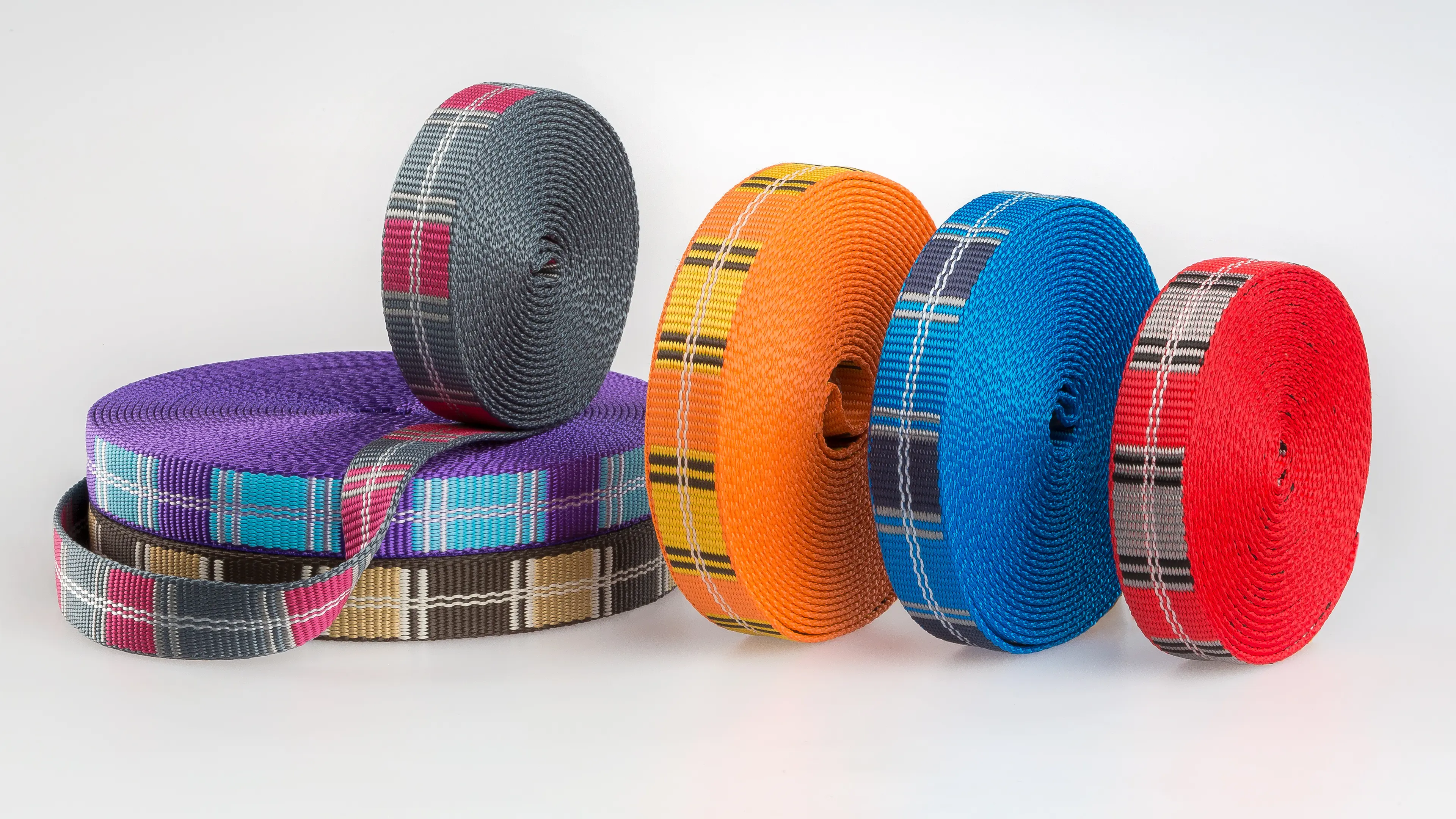
A webbing edge does not really pass inspection beside the cutter. It passes—or fails—when someone sews it, threads it through hardware, packs it, washes it or leaves it exposed on the finished product. That distinction changes the buying question. Instead of asking only, “Will the webbing fray after cutting?”, ask, “What must this edge survive next?”
Some cut webbing can loosen, but the risk depends on fibre content, weave, edge exposure and process. A cut that suits a hidden sewn end may fail on a visible luggage strap. Begin with the finished part, not a generic material name.
Start With the Next Operation, Not the Blade
Imagine four buyers using similar-looking 25 mm webbing. One inserts the end into a seam, one threads it through a buckle, one sells loose pre-cut straps, and one makes a washable product.
A hidden end that is promptly captured by stitching may only need a square, controllable cut that does not interfere with sewing. An exposed end needs better resistance to handling and a consistent appearance. A buckle-fed end must remain easy to insert, so an oversized melted bead can be as troublesome as loose yarns. A washable item should be judged after its intended cleaning cycle, not immediately after cutting.
This is why “no fraying” is incomplete as a purchase specification. Define where the end will sit, whether it remains visible, what contacts it and how long it waits before assembly.
Follow the Real Material Path Through the Machine
In automatic cut-to-length production, webbing comes from a roll, passes through guides and feed rollers, stops at the programmed position, is cut, and then leaves the cutting area. Each stage can influence the usable edge.
The guides must control the strip without folding or twisting it. Feeding should present the webbing squarely to the cutting line. With heated cutting, the edge also needs time to cool before it is stacked, handled or pressed against another part. If hot pieces are collected carelessly, otherwise acceptable edges may stick together or deform.
Do not approve a method from one piece held flat for a photograph. Watch consecutive pieces move into the same tray, box or assembly station planned for production.
Choose the Process for the Finished Edge
Cold cutting separates the webbing mechanically. It avoids deliberate thermal sealing, which may suit cotton tape, heat-sensitive finishes or ends that will immediately be folded and sewn. However, a woven edge that remains exposed may loosen unless the product design includes another finishing method.
A hot knife can cut and fuse compatible thermoplastic webbing, which is why buyers searching for a hot knife webbing cutter often want fewer loose yarns. The aim is not the largest possible seal. The finished edge still has to remain the right colour, shape and flexibility for the next operation. Nylon, polyester and polypropylene can respond to heat, but the actual weave, thickness, coating and colour batch still require a trial.
Natural-fibre webbing does not melt-seal in the same way. Blends can behave unevenly, and “canvas strap” does not prove fibre composition. Confirm the proposed method on production material.
Define Acceptance by Destination
For a sewn-in end, approve whether the piece enters the folder or sewing fixture cleanly and whether loose yarns interfere with the seam. For an exposed strap, define the permitted loose filaments, colour change and edge profile. For buckle assembly, use the actual buckle and confirm that the end passes through without snagging or excessive force.
Cut pieces can rub during counting and transport, so inspect a finished bundle after realistic handling. For washable goods, agree on the washing and drying condition before the trial.
These are product-level checks, not claims about strap strength or safety. Load-bearing goods, pet products and protective equipment require their own material, sewing and compliance validation beyond the appearance of a cut edge.
Prepare a Sample Brief a Machine Supplier Can Reproduce
Send a representative roll. State the known fibre content, width, thickness, construction, coating, cut length and expected daily quantity. Add photographs of the end-use position and an accepted or rejected edge.
Ask for samples to be labelled with the process used. Keep them in production order and let heated edges cool before final measurement and inspection. Then run them through the real next operation—sewing, threading, packing or washing. This converts “Will it fray?” into a result both buyer and supplier can evaluate.
What the Verified HESPER Configuration Covers
The HESPER Webbing & Hook-and-Loop Tape Hot & Cold Cutting Machine is published for automatic roll feeding and cut-to-length processing of webbing, hook-and-loop tape, zipper tape and elastic bands. Its verified configuration includes selectable hot or cold cutting, adjustable guides, PLC operation in Chinese and English, material-out stop with alarm, and cooling fans.
Those features describe the machine; they do not guarantee one edge result for every strap. Select the cutting mode after reviewing the material and downstream requirement. If length is also a concern, read how automatic 30 cm cutting is confirmed with real samples.
Frequently Asked Questions
Does a webbing end hidden inside a seam need heat sealing?
Not always. If the end is securely captured and the cold-cut edge does not disrupt sewing, a separate thermal seal may be unnecessary. Confirm this on the finished assembly.
Should I inspect a heated edge immediately?
Inspect it after cooling and after the next operation. A warm edge can feel softer or change shape during stacking, so immediate inspection alone is incomplete.
Can the same machine process webbing and elastic tape?
The verified HESPER product lists both materials, but guide setup, cutting mode and handling should be confirmed separately using each actual roll.
Send the Destination, Not Just the Material Name
Use the HESPER cutting project enquiry to share your roll details, finished-part photographs and next-operation test. Request labelled samples that can be sewn, threaded, packed or washed exactly as production requires. That evidence answers the real question: not merely whether the cutter makes an edge, but whether the edge remains usable where your customer will encounter it.