
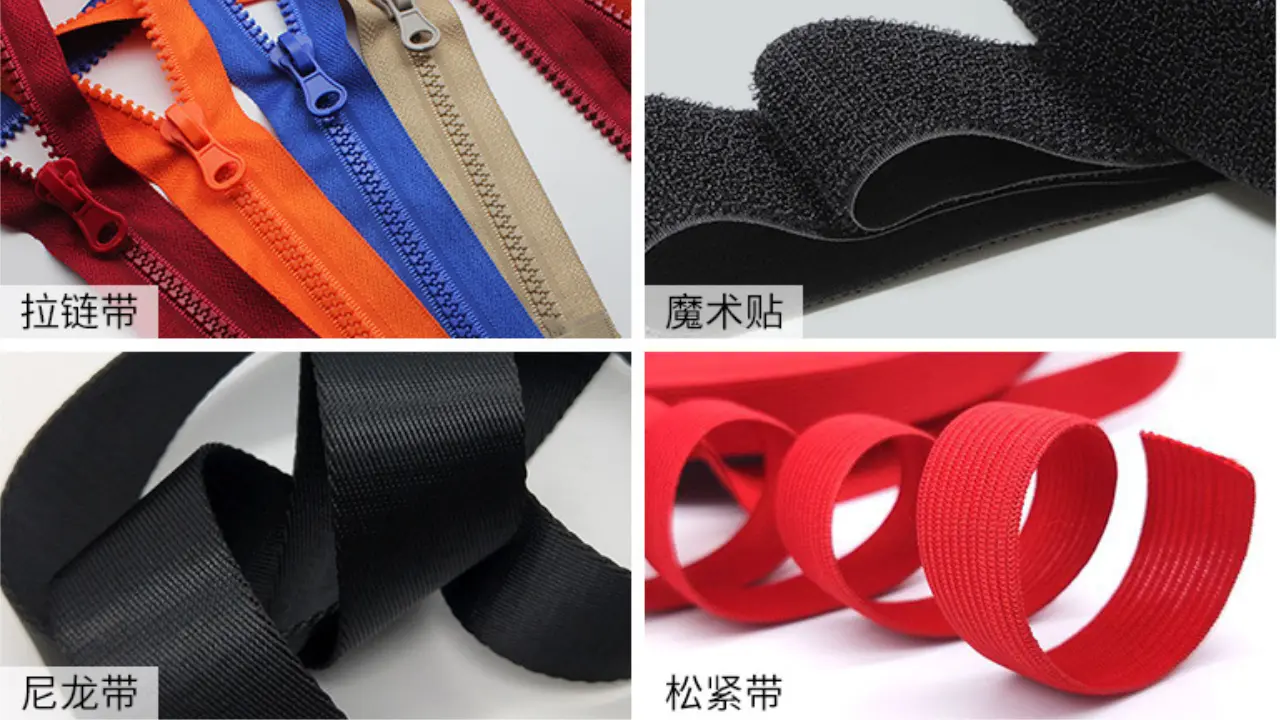
You need 500 straps, every one 30 cm long. The tempting answer is: enter 30 cm, press Start, and collect the pieces. An automatic tape cutting machine can repeat the feed-and-cut cycle, but first settle one detail: what exactly counts as a finished 30 cm part?
A firm strap, stretch elastic and warm hot-cut end can reach the ruler in different conditions. Define the finished part before the trial, and the setting becomes useful instead of mysterious.
The Short Answer: Yes, for a Confirmed Roll Material
The HESPER Webbing & Hook-and-Loop Tape Hot & Cold Cutting Machine provides automatic roll feeding and cut-to-length processing. Its Chinese/English PLC operation lets the operator set the required cut length. Adjustable guides position the strip as the cycle repeats.
HESPER lists webbing, hook-and-loop tape, zipper tape and elastic bands among the applicable materials. Hot or cold cutting is selected for the real material and required edge. “30 cm automatically” is a realistic request, but not a universal promise for every unnamed strip or tolerance. A representative sample must confirm the route.
A 30 cm Setting Is a Command; a 30 cm Part Is a Specification
The control value tells the system how much material to feed before cutting. Your order describes the finished piece you will accept. Those ideas must meet during the sample trial.
For non-elastic webbing, define length from cut edge to cut edge with the piece flat. For elastic, state whether it is relaxed, gently straightened or under a specified load. For hot-cut material, measure after cooling. If the piece will be folded or sewn, say whether 30 cm is the raw blank or the usable assembled length.
Write one sentence: “Finished pieces shall measure 300 mm from cut edge to cut edge, lying flat and relaxed after cooling.” It gives the operator, supplier and inspector the same rule.
What Happens During One Automatic 30 cm Cycle?
- Support the roll: the reel holder carries the material as it unwinds.
- Guide the strip: adjustable guides are set to the actual width.
- Feed the selected length: the machine advances the strip according to the PLC job.
- Cut the material: hot or cold cutting is used as confirmed for the material and edge requirement.
- Repeat: the cycle continues. Material-out detection stops the machine and gives an alarm when the supply ends.
Automation removes hand placement for every cut, but the roll, guides, cutting method and first parts still require approval.
The Same 30 cm Request Can Mean Three Different Jobs
Polyester bag webbing: the buyer may need a straight 300 mm blank with a tidy exposed edge. The sample should compare cutting modes and confirm that the chosen edge remains suitable for assembly.
Garment elastic: pulling it against the ruler creates different apparent lengths. Identify the construction and measurement condition, then let samples relax before evaluation.
Hook-and-loop tape: specify the 300 mm length, whether the two sides run separately, and the required end appearance. Include both sides in the trial.
The same number can therefore hide different materials, handling rules and downstream needs.
Why Stretch, Heat and Measurement Timing Matter
Elastic or soft tape can lengthen during handling and recover after release. Establish repeatable feed and inspection conditions. Send a production roll, not only a short hand-cut piece, because roll winding and strip behavior are part of the job.
Hot cutting adds another condition. A compatible thermoplastic edge can fuse during cutting, but evaluate it after cooling for a hard bead, discoloration or distortion. Cold cutting avoids thermal effects but may leave edge finishing separate. See the webbing edge diagnosis guide.
Send a Quote-Ready 30 cm Brief in One Message
Send one clear message with: a photo of the roll and strip; supplied material composition; width and thickness; roll outside diameter, core and winding direction; finished length and measurement condition; edge requirement; batch quantity; and later sewing, folding or hardware operation.
Add a physical sample whenever possible. Mark an acceptable piece and a rejected piece if available. Identify different constructions separately; one successful roll does not approve every variant.
Approve the Result From Real Samples, Not From the Screen
During the trial, set the requested job, process the real material and keep the pieces in production order. Check the finished condition that matters to you: length by the agreed method, cut squareness, edge appearance and usability in the next operation. If the strap is hot cut, inspect it after cooling; if it is elastic, inspect it after the agreed relaxation condition.
The useful outcome is a sample and written setup that both parties understand. HESPER does not publish one universal tolerance or output for every tape because material behavior, strip dimensions and the required edge differ. The sample is where a 30 cm request becomes a confirmed process.
Frequently Asked Questions
Can one machine cut webbing, elastic, zipper tape and hook-and-loop tape?
These materials are listed for the HESPER hot and cold tape cutter, but the cutting mode, guide setup and finished result must be confirmed with each actual material.
Can several strips be cut at the same time?
The published configuration supports multiple-strip cutting. The arrangement depends on strip widths and guide setup, so send the number and width of strips for confirmation.
What happens when the roll is used up?
The documented material-out detection stops the machine and triggers an alarm.
Turn “30 cm” Into a Confirmed Sample
Use the HESPER cutting project enquiry to send your material photo, roll details, 300 mm finished-part definition and edge requirement. Ask for a trial with your real roll and approve the cooled or relaxed pieces under the same measuring rule your factory will use. That is the shortest route from “Can it do this?” to a production answer you can trust.