

Loose threads can spoil an otherwise neat gift bow or hair accessory. A clean cut helps, but keeping ribbon ends tidy also depends on the fiber, fabric construction and finishing method.
This guide explains how to cut ribbon ends, how to keep ribbon from fraying, and what to check when repeated hand cutting becomes a production bottleneck.
Start With the Fiber, Not Just the Ribbon Name
Woven ribbon can fray where cut threads are no longer held in place. Satin, grosgrain, sheer ribbon and velvet describe construction or appearance; they do not identify the fiber. A satin ribbon may be polyester or silk, for example.
- Polyester and nylon: thermoplastic fibers that may be heat-sealed with suitable equipment and settings.
- Pure cotton and silk: do not form a thermoplastic melt seal. Consider a compatible fray sealant, a folded finish or stitching.
- Velvet, blends and coated ribbon: confirm the composition and test the actual ribbon before choosing heat or ultrasonic sealing.
Do not assume that every satin ribbon frays faster than every grosgrain ribbon. Construction, coatings, cutting quality and handling all affect the edge.
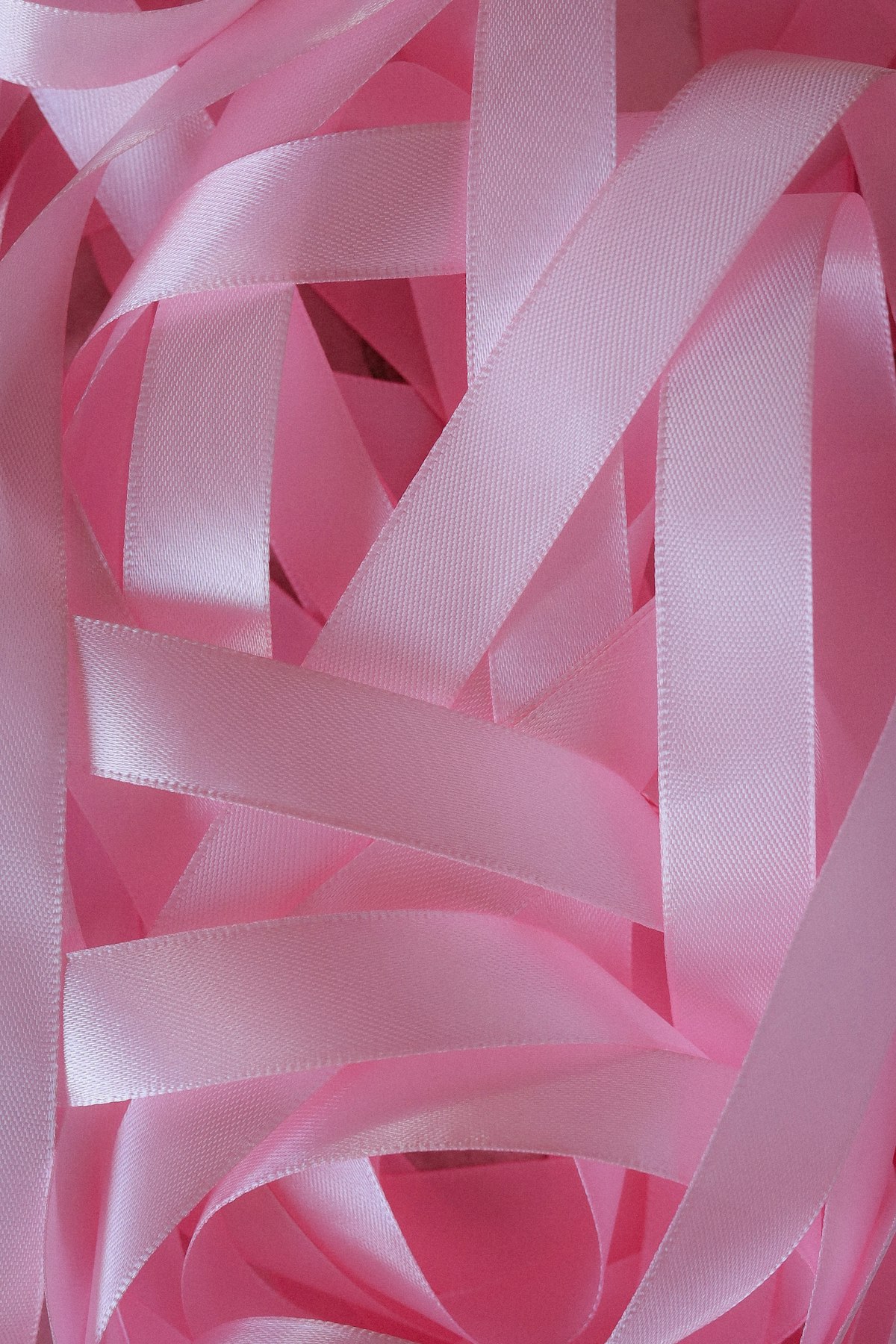
How to Stop Ribbon From Fraying by Hand
For small batches, choose an edge treatment after making a clean cut. A diagonal cut or V-cut changes the shape; it does not seal the threads.
| Method | When to consider it | What to check |
|---|---|---|
| Sharp fabric scissors | Preparing a straight, angled or V-shaped end | Make a clean cut without pulling threads; add edge treatment if needed |
| Liquid fray sealant | Ribbon compatible with the product, including some natural-fiber ribbons | Test for staining, stiffness and wash compatibility; follow the label and drying time |
| Hot knife or controlled heat-cutting tool | Confirmed thermoplastic ribbon | Test for sealing, discoloration and a hard edge; use the tool as instructed |
| Folded or stitched end | Ribbon whose design and thickness allow a concealed edge | Check bulk, appearance and whether stitching is suitable |
For beginners, use a purpose-built tool rather than treating a lighter or candle as a universal sealing method. Follow the tool instructions, use a suitable heat-resistant work surface and ventilation, and keep hot tools away from sealants and other flammable products. Test on a scrap first.

How to Cut Straight, Angled and V-Cut Ends
- Straight: cut across the ribbon at a right angle to its long edges.
- Angled: cut diagonally across the width. Around 45° is one option; use the angle your design needs.
- V-cut or dovetail: fold the ribbon lengthwise so its long edges meet. At the free end, mark a point on the fold farther toward the body of the ribbon than the two outer tips. Cut diagonally from the aligned outer tips to that mark, then unfold. The center should form an inward notch, not an outward point.
Practice on scrap and keep both layers aligned. For scissor-cut ends, apply the selected edge treatment afterward. A compatible hot-cut or ultrasonic process may cut and seal together; check that the notch stays clear and the tips are not distorted.

When Repeated Hand Cutting Becomes a Bottleneck
Hair bow making and gift-packaging orders often repeat the same lengths and shapes. As an illustration, 300 bows with two exposed tails each mean 600 ends to inspect and finish. That is a workload example, not a threshold at which a machine automatically pays for itself.
Record time spent measuring, cutting, finishing, drying and reworking rejects. Compare acceptable finished pieces per hour, including setup and changeovers. An automatic ribbon cutting machine prepares ribbon pieces; it does not necessarily tie the bows or trim an already assembled bow.

Automatic Ribbon Cutting Options to Test
Ultrasonic cutting can combine profile cutting and edge sealing on suitable thermoplastic ribbon. Material composition, thickness, tooling and settings determine the result. A soft edge, exact finished dimensions or a particular production rate must be demonstrated with your sample.
CXY-100CW: ultrasonic cut-to-length processing
HESPER’s CXY-100CW has Chinese/English LCD settings for length, speed and quantity, automatic counting, and a material-out stop and alarm. Multiple strips depend on their widths and the guide arrangement. Confirm the required end shape and sealing result before ordering.
V-cuts and angled profiles
The ultrasonic V-cut and angled-cut machine lists a 100 mm effective width, PLC touchscreen controls, photoelectric registration and an external compressed-air requirement. Its supplier-listed output is 150–200 pieces/min, subject to material, length and profile. The listed width does not prove that every angle or V-notch fits at that width. Confirm the drawing, tooling, registration marks and achieved output in a trial.
CXY-160W: hot and cold cutting
The CXY-160W lists a hot-cutting width of 1–160 mm, cut length of 1–10,000 mm and temperature adjustment of 0–650 °C. These are equipment specifications, not recommended ribbon settings or proof that every size combination works. Confirm hot-cut sealing on your material; a cold cut alone does not melt-seal an edge.
Match the tooling to the drawing
Send the angle, V-notch depth, ribbon width and required finished dimensions. Ask HESPER to confirm a compatible blade or tool and machine configuration. A selection of blade shapes does not mean all shapes fit every machine, or that every material can run with a blade change alone.
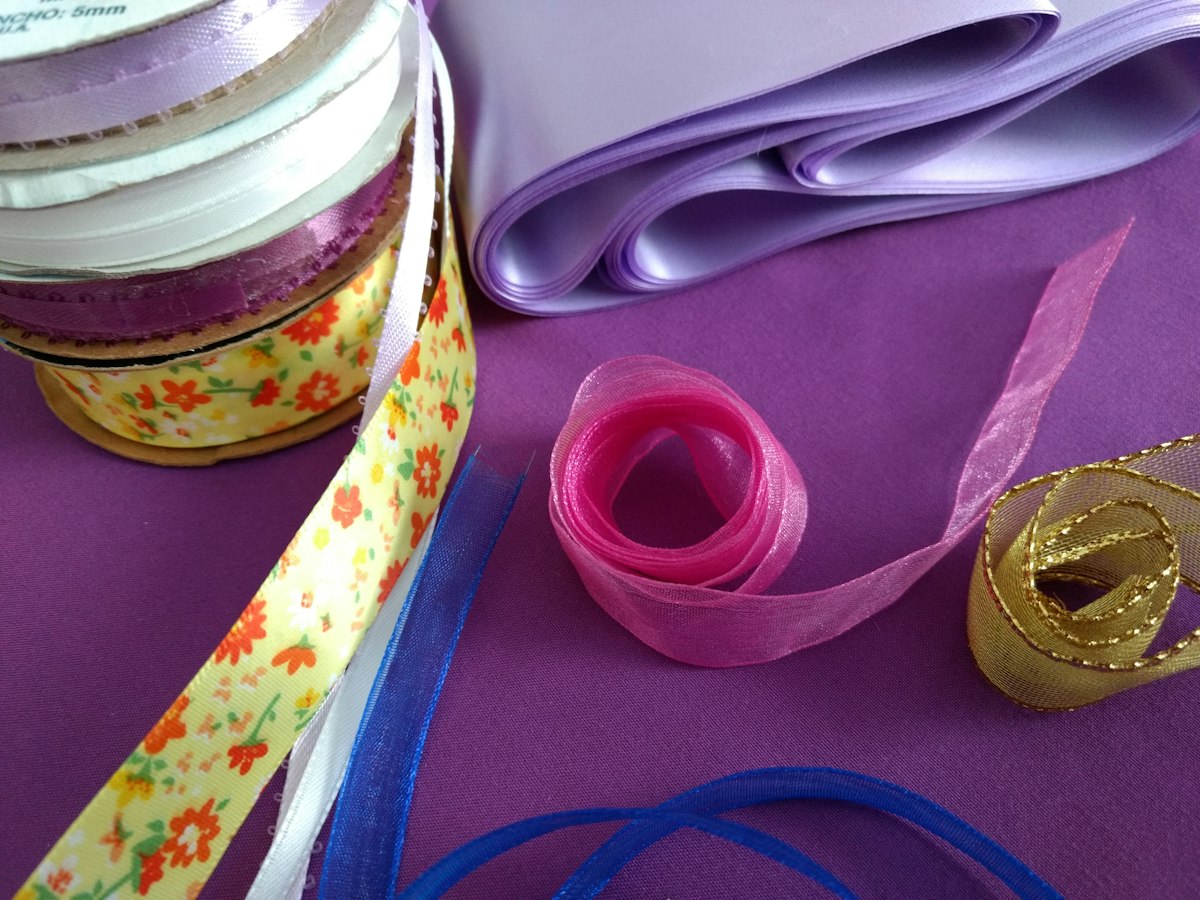
Choose a Method by the Result You Need
- A few bows: start with clean scissor cuts and a compatible sealant or folded finish.
- Confirmed thermoplastic ribbon: compare a controlled hot-cut test with an ultrasonic test if edge feel and appearance matter.
- Repeated V-cuts or angles: evaluate matching tooling with your exact ribbon and profile drawing.
- Natural-fiber, blended, coated or velvet ribbon: identify composition first; do not select a sealing process from appearance alone.
Send a Useful Cutting-Test Request
Include fiber composition, coating, width, thickness, roll details, cut length, tolerance, both end shapes and target output. For printed ribbon, include the registration marks. Specify acceptable edge softness, discoloration and fraying.
Request a trial video and physical samples. Measure the pieces, inspect both ends and try normal tying, rubbing and washing where relevant to the intended product. Compare acceptable output after setup and changeovers, not just cutting cycles.
FAQ
How do you seal ribbon ends without a lighter?
Use a compatible liquid fray sealant, a folded or stitched finish, or a purpose-built heat-cutting tool for confirmed thermoplastic ribbon. Test a scrap and follow the product instructions.
Does a V-cut stop fraying?
A V-cut changes the end shape but does not seal the threads. Edge treatment may still be needed, depending on the ribbon and how the bow will be used.
Can a machine cut and seal V-cut ends together?
It can on suitable thermoplastic ribbon with compatible ultrasonic tooling and settings. Confirm both the shape and the sealed edge with a sample trial.
Can cotton or silk ribbon be heat-sealed?
Pure cotton and silk do not form a thermoplastic melt seal. Consider a compatible sealant or folded or stitched finish. Check the actual composition of blends before choosing a process.
Is a ribbon cutter worth it for a small hair bow business?
Compare your current labor, rejects and finishing time with a sample-based machine trial, including setup and changeovers. Daily volume alone does not establish the payback.
Need help choosing a ribbon cutting process? Send HESPER a material sample and the finished-part drawing so we can check the cutting method and tooling. Send your requirements.