
A slot liner is a simple part of a motor rewind. Preparing a whole batch is less simple: uneven lengths mean trimming during assembly, damaged edges mean sorting out pieces, and the next motor brings another round of measuring and counting.
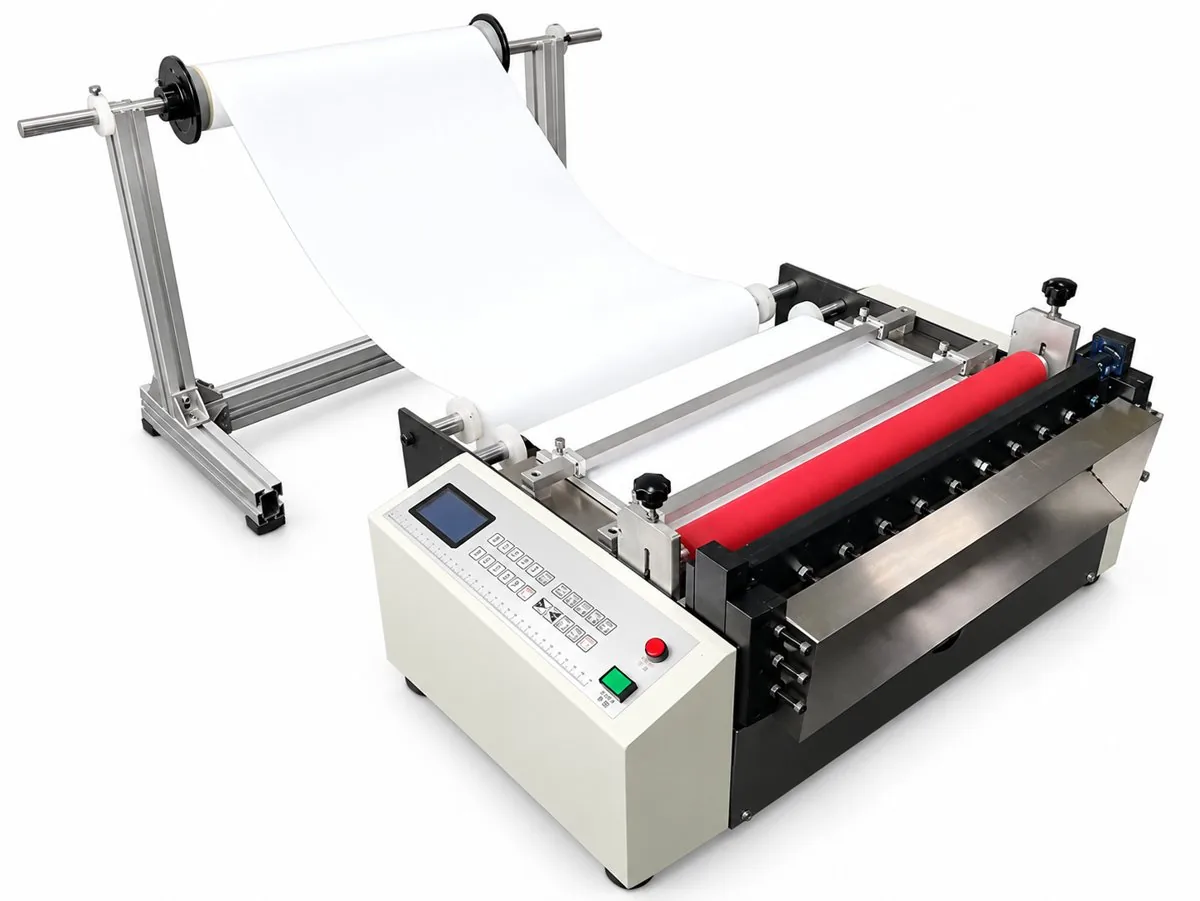
If repeated measuring and cutting to length are the main bottlenecks, an automatic cut to length machine is worth considering. It feeds the roll and cross-cuts at a set length. Understanding what causes the rework is more useful than choosing by speed alone.
Start with consistent lengths, not a higher speed
The required liner length and end extensions come from the motor drawing and insulation requirements. A short piece may not meet them; a long one may need trimming. Marking and cutting each piece by hand makes every cut a separate measuring task.
A cut to length machine moves that repeated task to the feed mechanism. The HYD-300, for example, has stepper-driven feeding and a catalog-listed cut-length range of 0.5–99,999.9 mm. What matters is cutting samples from the actual roll, measuring them and checking them against the assembly requirements before settling on a batch setting.
A better edge depends on the blade and the paper
If rework comes from crushed, separating or uneven edges, getting the length right is only part of the job. Blade condition, material thickness and feeding behavior all deserve attention. The name fish paper is not a complete material specification: a supplier grade gives a clearer starting point than simply asking for an insulation paper cutter.
The HESPER catalog lists an SKD11 blade for the HYD-300. Rollers and guides feed the material to the cross-cutting blade, reducing the repeated use of hand shears. Whether the edge is acceptable still comes down to the samples. For motor insulation work, confirming the edges and dimensions before a longer run avoids carrying an unresolved problem into a larger batch.
Curl and moisture are not just panel settings
Sometimes the length is right, but the pieces still curl and become awkward to collect or insert. Curl in the roll can carry into the next operation; cross-cutting is not the same as flattening. During a trial, look at the pieces after they reach the collection area, not just at the instant the blade cuts. How they need to be supported and collected matters too.
Electrical-grade vulcanized fiber is commonly called fish paper. Changes in its moisture content can affect dimensions. If pieces change after storage, check the supplier’s storage, conditioning and use requirements before deciding whether to alter the cut setting.
Motor rewinding changeovers involve more than length
Different motors call for different lengths and quantities. With the same paper and roll width, a panel setting can reduce the need to mark out a new length. If the width, thickness or material changes as well, feeding and cutting need checking again.
The HYD-300 catalog lists a total-count setting of 1–999,999 and a batch-pause function. These are useful features to discuss when organizing batches. Ask HESPER to demonstrate counting, pausing and resuming with the quantities your work requires. The catalog lists a cutting speed of 34 m/min; actual pieces per minute also depend on piece length, cutting intervals and collection.
Decide whether the job is cross-cutting or slitting as well
If the roll already has the required width, the main task is cross-cutting it to length. The catalog includes the HYD-100D and HYD-200 with 100 mm-class and 200 mm-class blade-width specifications. Ask HESPER about their configurations. Blade width is only a starting point: usable incoming width, guiding and feeding still need checking with the material.
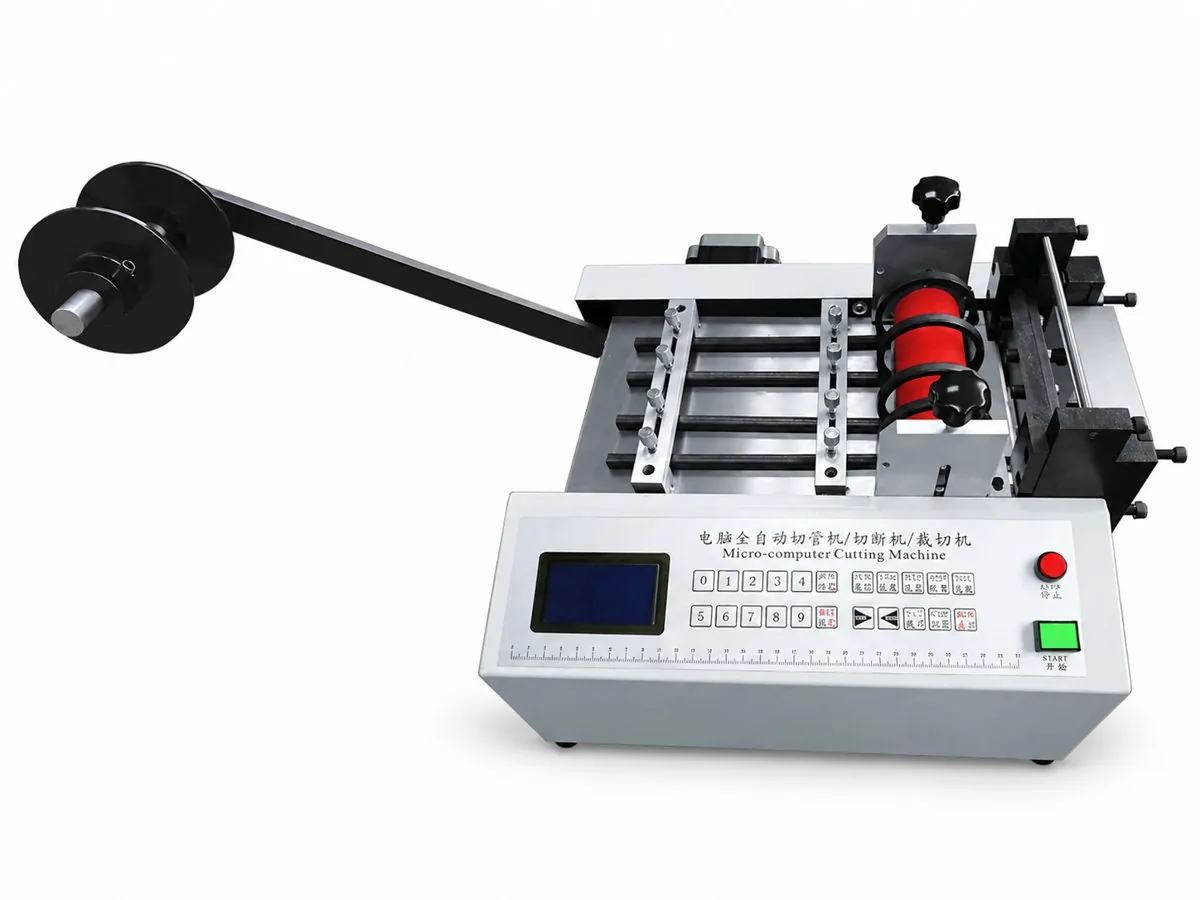
A wide roll that must become narrow pieces adds a slitting operation. The HYD-300 catalog offers optional longitudinal blades for slitting and cross-cutting in the same pass. Suitability for the required strip width, number of strips and paper thickness needs confirming with the configuration. Feeding a ready-slit roll and converting a wider roll are different inquiries. Explaining that difference leads to a more useful discussion than asking which machine is fastest.
Let a trial answer the question behind the rework
Choosing an insulation cutting machine comes back to your own material and finished parts. The catalog lists fish paper among its materials; a trial with your grade and thickness shows whether the cut pieces meet your requirements. Other electrical insulation paper or laminated materials should be sampled separately rather than judged from the result of one grade.
Send HESPER the material grade, thickness, roll width, target piece width and length, batch quantity and daily requirement, together with photos or a video of the current process and any problem edges. Explain whether the priority is repeated measuring, edge-related rework or batch collection. That gives the trial a clear purpose: checking whether the pieces meet the requirements and fit the next assembly step.