
Putting four strips under one blade does not automatically produce four acceptable parts. The real question is whether those four materials can unwind, enter the guides, advance, stop, cut and leave the machine as one stable process. If one lane drags, stretches, wanders or tangles at collection, the blade may still cycle perfectly while the batch loses usable output.
For buyers comparing a multi-strip cutting machine, that distinction matters more than a headline lane count. A good multi-lane setup starts with the rolls and ends with separated, identifiable pieces—not with the number of strips that happen to fit across the cutting area.
When Does Cutting Several Strips Together Make Sense?
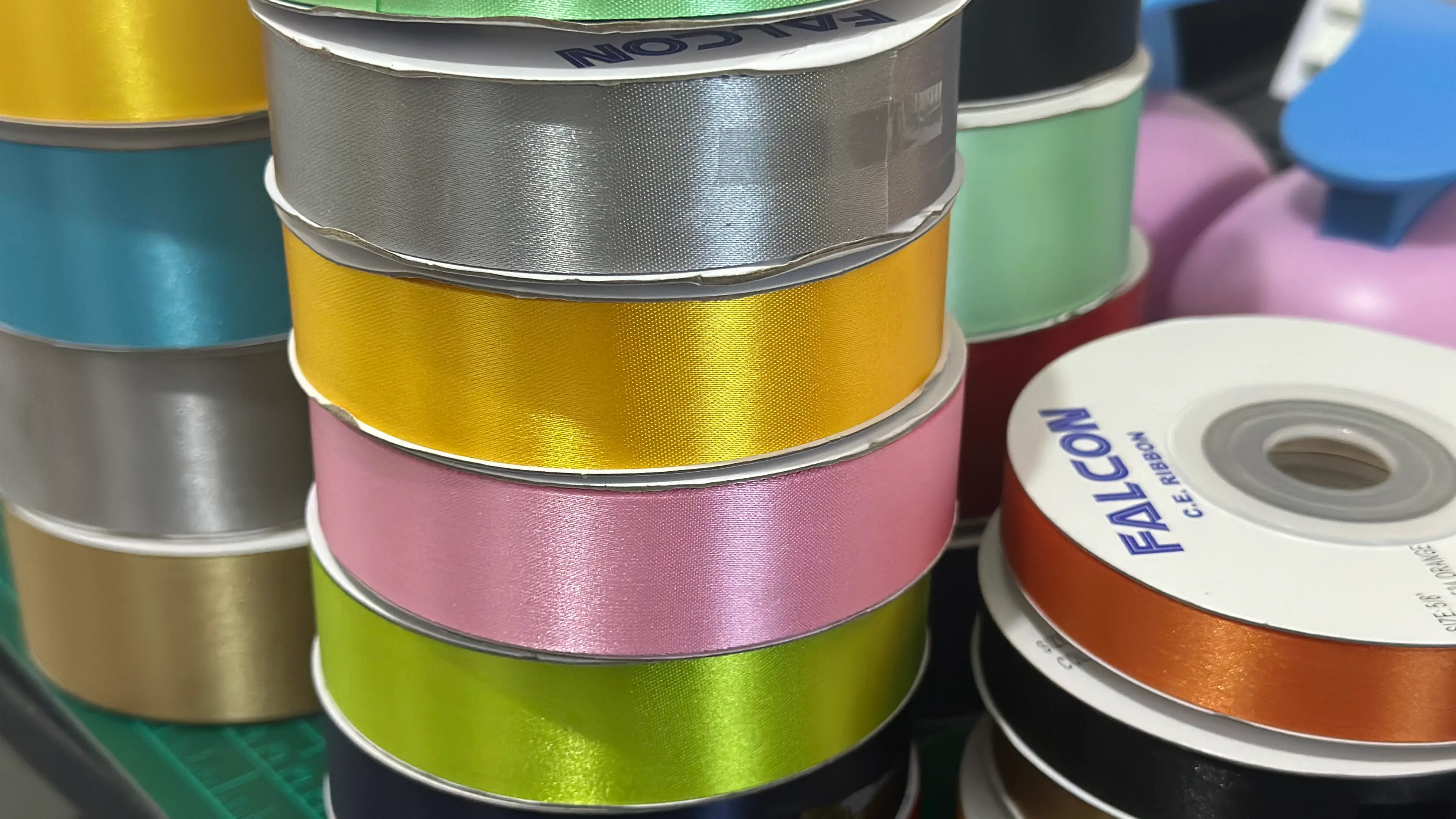
Multiple-strip cutting is most practical when the strips are genuinely alike: the same material construction, width, thickness, roll condition, target length and edge requirement. Several ribbon rolls from one production lot are easier to treat as one process than a mix of rigid webbing, soft elastic and coated tape.
The materials must also fit the available guide arrangement without rubbing, overlapping or folding. HESPER does not publish a universal fixed lane number for these machines. The workable arrangement depends on strip width, guide positions and the behaviour of the real rolls.
The First Limit Is Often Before the Blade
Two rolls that look identical can resist unwinding differently. One may be tightly wound, another loose; one core may turn freely while another pulls against its support. If the machine draws them together, the highest resistance can stretch an elastic lane or make a lighter ribbon lose contact with its feed path.
This is why buyers should describe how every roll will be presented to the machine. Provide roll outside diameter, core size, roll width, weight and winding direction for each material. Do not assume one reel holder or one material-out signal automatically covers every lane.
Keep Each Lane Controlled Through the Guides
Each strip needs a clear path. Guides should keep lanes parallel without pinching them or allowing edges to climb over one another. The spacing must also leave room for width variation, splices and slight lateral movement from the roll.
Mark the lanes during a sample trial—A, B, C and D, for example—and keep that identity through measurement and collection. If only lane C produces short pieces, the problem is no longer hidden inside a batch average. You can investigate its roll resistance, guide contact, stretch or feed pressure instead of changing settings for every lane.
Use One Cutting Process Only When Every Strip Accepts It
Cold cutting may suit materials or finished parts that do not require a thermally sealed edge. Hot cutting may help fuse compatible thermoplastic tape, while ultrasonic cutting is another published HESPER process for suitable webbing and ribbon. The method must match every strip in the group.
Do not combine lanes merely because their widths match. A nylon webbing and an elastic band can react differently to heat, compression and feeding. Even rolls of the same nominal material can vary by weave, coating, colour batch or thickness. With heated cutting, pieces also need an orderly way to cool so warm edges do not stick together or deform in a pile.
Count Accepted Pieces, Not Blade Strokes
A machine cycle is not the same as saleable output. If four strips are cut in one stroke but one lane tangles or two pieces stick during collection, the theoretical multiplier does not describe production reality.
During a trial, record accepted pieces from each lane over a representative run. Check finished length using one agreed measuring method and the same relaxation time, particularly for elastic material. Inspect edge condition only after any heated cut has cooled. Then observe counting, sorting and packing: mixed lanes can create more labour than the faster cutting saves.
What Should a Buyer Send for a Multi-Strip Review?
Send full-width photographs of the materials beside a ruler, plus a sample roll from every proposed lane. State fibre or material composition if known, width, thickness, elasticity, surface coating, target cut length, acceptable length range, edge requirement and intended daily quantity.
Add a simple lane plan showing the order of the strips and whether each comes from its own roll. Explain what happens after cutting: loose collection, counted bundles, sewing, buckle assembly or packing. If lanes must remain separated by colour, size or customer order, make that a production requirement rather than an afterthought.
Verified HESPER Configurations for Multiple Strips
The HESPER Webbing & Hook-and-Loop Tape Hot & Cold Cutting Machine has adjustable guides, and its published configuration supports cutting multiple strips together depending on material widths and guide setup. The product is listed for webbing, ribbon, elastic bands, hook-and-loop tape and other tape materials, with hot or cold cutting selected for the material and required edge.
The CXY-100CW Ultrasonic Webbing & Ribbon Cutting Machine has multiple adjustable guide stops. Several strips can be arranged together depending on their widths and guide setup. Neither page promises a fixed number of channels, so the proposed lane plan and real samples still determine suitability.
Questions Buyers Ask Before a Multi-Lane Trial
Can different colours run together?
Possibly, if their construction, dimensions, feeding behaviour and cutting response are compatible. Keep the lanes identified and inspect each colour separately because dye lots or finishes can affect heat response.
Does cutting four strips mean four times the output?
No. Accepted output also depends on unwinding, stable feeding, cooling, collection and sorting. Confirm the result with a timed run using all proposed lanes.
Can one missing strip stop every lane?
Do not assume that it can. The published HESPER pages list material-out stopping or alarm functions, but coverage for separate lanes and rolls must be confirmed for the requested configuration.
Send a Lane Plan, Not Just a Strip Count
Use the HESPER project enquiry to send roll data, labelled samples, the lane order and the acceptance rule for each strip. Ask for a trial that keeps every lane identifiable from unwinding through collection. That evidence shows whether several strips can run as one controlled process—and whether the resulting pieces are actually ready for your next operation.