
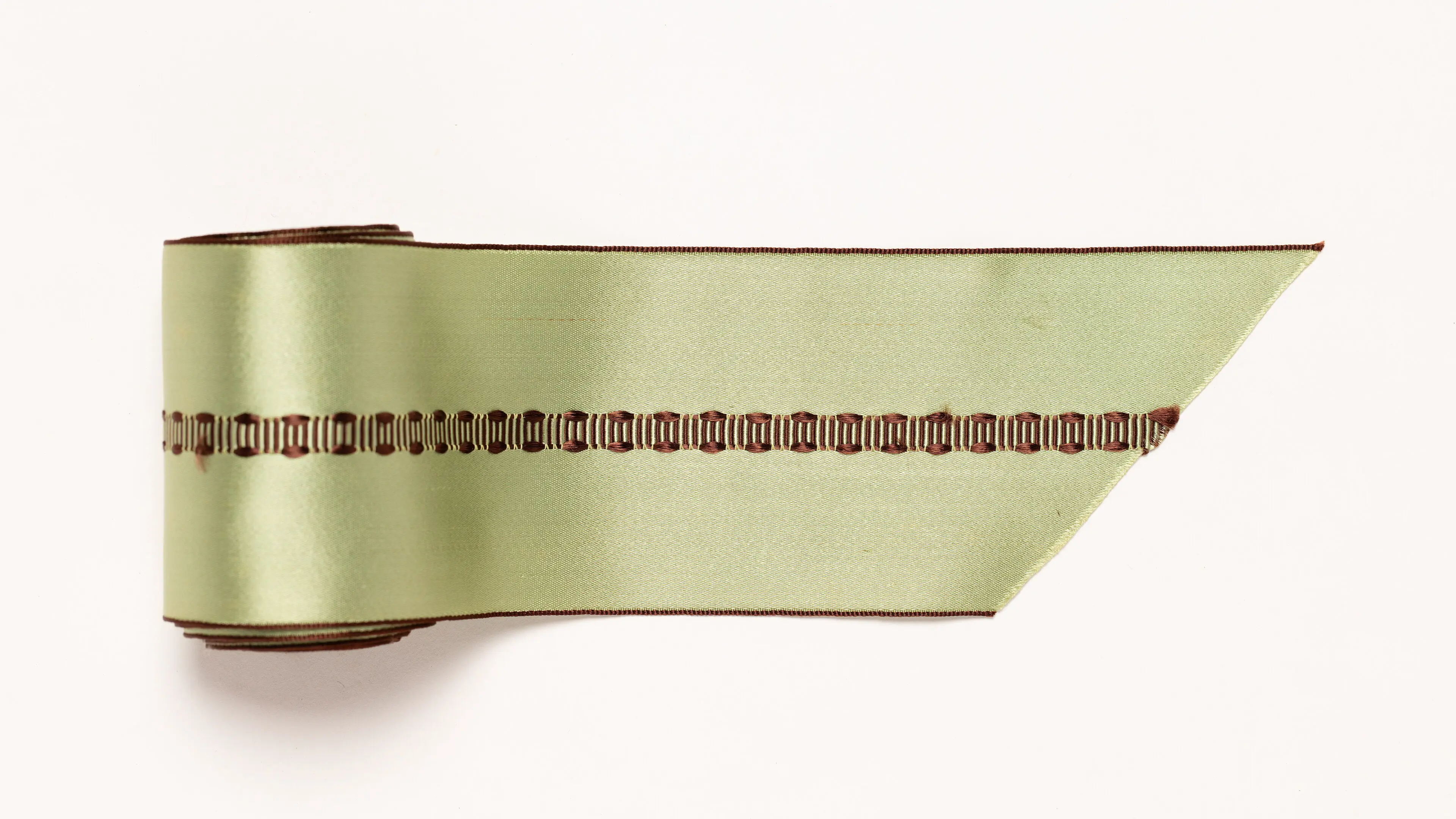
A beginner does not need to understand every component on day one. But the workshop must define exactly what that beginner is allowed to decide. An automatic ribbon cutting machine can make a verified job easier to repeat. It cannot decide whether a new ribbon feeds correctly, whether a hot-cut edge is acceptable, or whether the first piece meets the customer’s requirement.
Yes, a beginner can operate an automatic ribbon cutting machine after task-specific training, provided the material, settings, inspection method and stop conditions are approved. Developing a process for a new material is a different job for a suitably trained person.
Separate Routine Operation From Process Decisions
Routine operation means loading a known roll, positioning it through the approved guides, selecting a recorded setting, checking the first pieces and monitoring the run. Process development means deciding whether to use hot or cold cutting, finding a suitable setting, assessing an unfamiliar coating or construction, and resolving abnormal feeding or edge quality.
If the operator must invent settings whenever a material changes, the machine may appear difficult even when its controls are straightforward. A verified job removes that guesswork by defining the material, finished length, cutting method and acceptance check before production.
Give the Beginner a Job Card, Not Verbal Memory
For each approved order, record the ribbon description, width, roll orientation, guide position, target cut length, selected cutting method and first-piece acceptance points. Add a reference sample when edge appearance matters. The job card should also state what the operator must not change without authorization.
“Ribbon” can describe satin, grosgrain, sheer ribbon, woven tape or other constructions. Similar-looking rolls may feed or respond to heat differently. A repeatable job begins with material identification, not with pressing Start.
Loading Is Simple Only When the Material Path Is Clear
The operator needs to know which face of the ribbon should be up, how the roll should unwind, where the material passes, and how the guides should support alignment without pinching or distorting it. A narrow strip can wander if the guide spacing is wrong; an elastic material can produce a misleading finished length if it is pulled during loading.
HESPER’s Webbing & Hook-and-Loop Tape Hot & Cold Cutting Machine is published with adjustable material guides and automatic feeding for strip materials including ribbon, webbing, zipper tape and elastic bands. The correct guide position and material path still need to be confirmed with the buyer’s sample.
The First Piece Is the Operator’s Most Important Decision
Entering a length on a control panel does not prove that the finished piece is acceptable. The first pieces must be checked using the same rule applied by the customer or the next production step. Measure the material in its agreed condition, inspect the cut angle and edge, and allow a heat-cut edge to cool before judging it when applicable.
If the result matches the approved reference, the operator can continue the established job. If it does not, the correct response is not uncontrolled adjustment. Stop, isolate the pieces and ask the responsible person to review the material, loading, settings and acceptance method.
What a Beginner Should Watch During a Normal Run
Training should focus on observable changes: a roll unwinding differently, ribbon moving away from its guide, cut pieces collecting poorly, edge appearance changing, unusual noise, or a displayed alarm. The operator also needs a clear rule for periodic checks and for separating output produced after the last accepted check.
The HESPER product page lists a Chinese-and-English PLC interface, adjustable cut length, material-out stop and alarm, and cooling fans for the hot/cold tape cutting machine. These features support a repeatable workflow, but they do not remove the need for supervision, first-piece approval or a documented response to abnormal conditions.
Do Not Let a Beginner Guess the Cutting Method
Cold cutting separates material without intentionally fusing the edge. Hot cutting may cut and seal suitable thermoplastic strip material. HESPER also publishes a compact ultrasonic webbing and ribbon cutting machine for suitable applications. These are different processes, not interchangeable menu choices.
The approved method should come from a real sample test and the final use. An exposed ribbon end, a piece hidden in a seam and a strap repeatedly pulled through hardware can require different edge acceptance. Material composition, coating and thickness also matter. A beginner can repeat an approved method; selecting a new one requires process review.
Train With the Actual Order, Not an Empty Machine
Useful training follows one real job from roll identification to accepted pieces. Ask the learner to explain the material path, load the approved sample, call up or enter the authorized setting, produce first pieces, perform the specified check, run a short batch and respond to a staged stop condition. Competence is shown by consistent decisions, not by completing a fixed number of minutes.
When requesting a machine review, send the actual ribbon or webbing sample together with width, thickness, composition if known, roll dimensions, target length, edge requirement, batch quantity and downstream use. This lets the operating method be built around the product the beginner will really handle.
Practical Questions From First-Time Operators
Can a beginner change the cut length?
Yes, when the workshop has authorized the new length and defined how to verify it. The first pieces should be measured before the batch continues. Changing length does not automatically approve the material, cutting method or edge result.
Can the machine run without anyone watching it?
Do not assume unattended operation. Assign monitoring and stop responsibilities from the machine documentation, confirmed configuration and the workshop’s own risk controls.
What if a new ribbon looks almost identical to the approved one?
Treat it as a new material until composition, feeding and cut-edge performance are confirmed. Similar colour and width do not prove identical behavior.
Build One Approved Job Before Training Several Operators
The easiest machine for a beginner is not the one with the fewest buttons. It is the one introduced with a verified material, a clear job card, a first-piece standard and an unambiguous stop rule. Use the HESPER project enquiry to send one representative ribbon sample and the finished-part requirement. Ask for a sample-based review that separates routine operator actions from settings and decisions reserved for trained process personnel.