
Go beyond the material name
“Copper sheet” or “steel wire mesh” identifies a category but does not establish machine suitability. Include grade, temper or hardness and the actual feed dimensions. Leave unknown information blank and follow up with material documentation or a sample.
- Sheet or strip: grade, thickness, feed width and supply format.
- Wire mesh: wire diameter, aperture, material and mesh width.
- Coated or composite material: include construction details and close-up photos.
Length and edge finish: define acceptance requirements
Specify minimum, typical and maximum cut lengths, then state tolerance, burr requirements and acceptable deformation separately. Feeding accuracy, cutting tolerance and finished-part quality describe different aspects of the process.
Compare models against both material and output
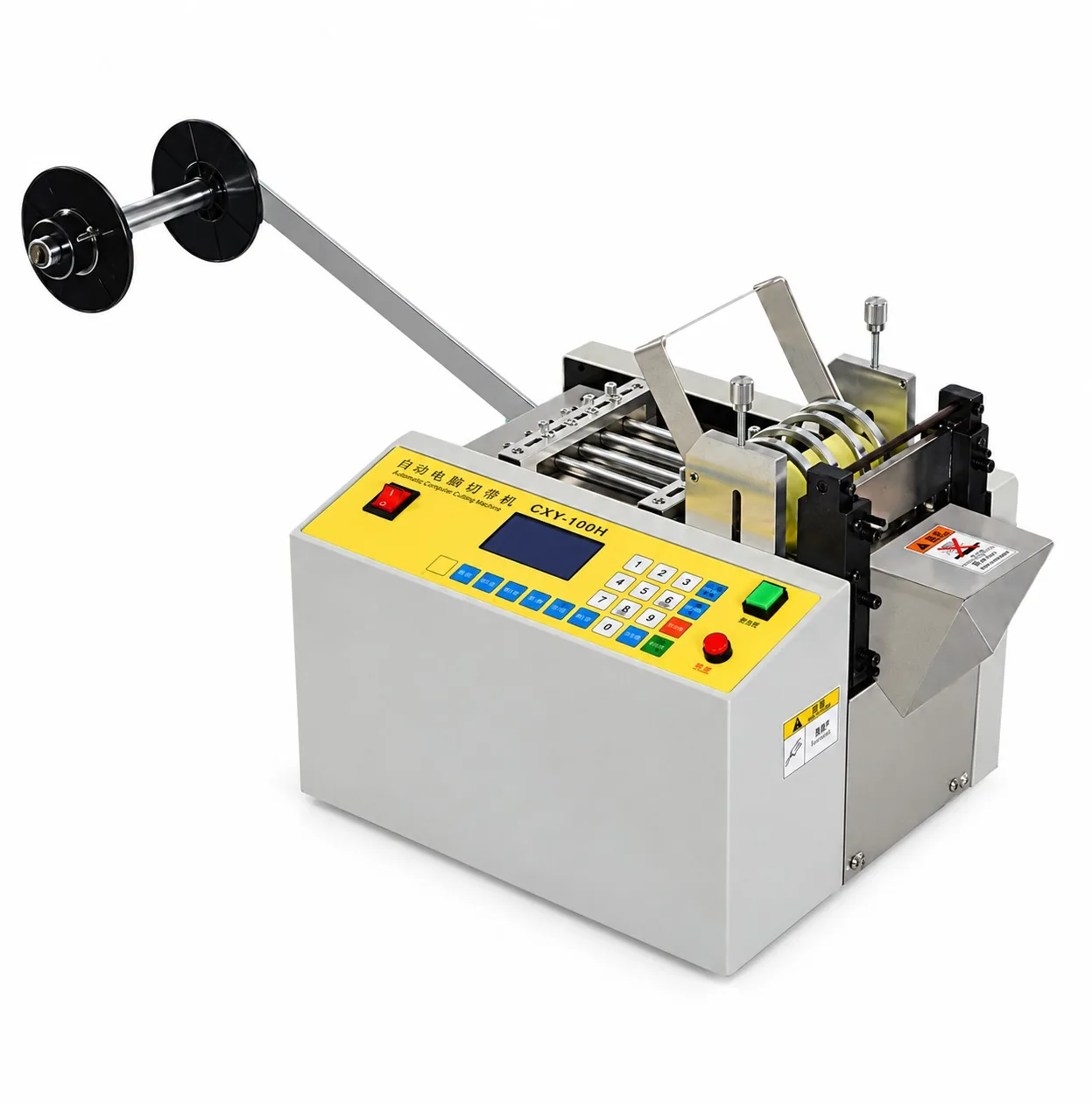
The range includes CXY-100G Upgraded, CXY-100H Reinforced and CXY-100W High-speed versions. The product page compares their specifications for an initial review of power and cutting-cycle requirements.
Actual capability still needs to be confirmed against material thickness, hardness, width and finished-part requirements. A model name or maximum cycle rate alone does not establish suitability for your material.
Prepare a sample brief that can be reviewed
Send material close-ups, a dimension drawing, target output and sample availability together. When discussing a cutting trial, identify what to review, such as length consistency, burrs and the condition of mesh edges, before confirming the model and configuration.